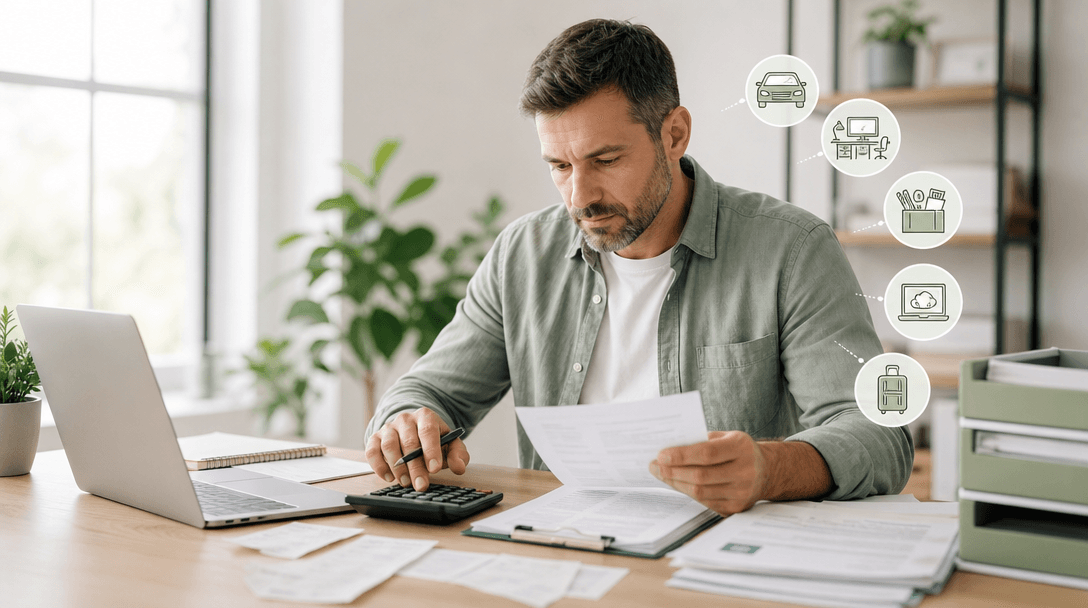
Running a small business in Australia means balancing growth, cash flow, payroll, GST, and tax obligations all at once. In that pressure, it is easy to overlook deductions that are perfectly legitimate under Australian tax law. Missing even a few claims can mean paying more tax than necessary, which directly affects profit and working capital.
The Australian Taxation Office expects deductions to be claimed correctly, with clear evidence and a direct connection to earning assessable income. That does not mean small business owners need to be tax experts, but it does mean they need to know where the common gaps are. A proactive review throughout the year can uncover thousands of dollars in missed deductions, especially for businesses with turnover between $500,000 and $10 million.
If you are only reviewing expenses once a year, you are likely leaving money on the table. The best approach is to understand the deductions that are often missed, keep better records, and work with an adviser who can identify claims before the year end rush.
Common Tax Deductions Small Business Owners Miss in Australia
One of the biggest mistakes small business owners make is assuming that only obvious expenses are deductible. In reality, many costs linked to running the business can be claimed if they meet the ATO’s general deduction rules under section 8 1 of the Income Tax Assessment Act 1997. The expense must be incurred in earning income, and it must not be private or capital in nature.
Commonly missed deductions include bank fees on business accounts, merchant processing fees, business insurance, subscriptions, memberships, advertising, postage, printing, and professional development. Many owners also forget to claim small recurring items such as domain renewals, website hosting, telephone plans used for business, and software support fees. These amounts may seem minor individually, but over 12 months they can add up to a meaningful tax saving.
Another area often missed is staff related expenses. Training costs, uniforms that are occupation specific, protective clothing, and some recruitment costs may be deductible. Superannuation contributions for eligible employees are also important, but they must be paid on time to be deductible in the correct year. If you run a company or trust, the timing of these payments matters.
A simple monthly review of your profit and loss statement can help identify categories that are under claimed. If a cost supports the business and is not private, it deserves a second look.
Home Office Expenses and Other Work From Home Tax Deductions
Many small business owners now work from home at least part of the week, yet they still miss legitimate home office deductions. The ATO allows claims where part of the home is used for business purposes, but the method used must suit your circumstances and the evidence must be kept. For many owners, the most practical claims include electricity, internet, phone, stationery, and depreciation on office furniture and equipment.
If you have a dedicated home office, you may be able to claim a portion of running costs based on the area used and the time it is used for work. If you do not have a separate room, you may still be able to claim work related running expenses using the ATO approved fixed rate method or actual cost method, depending on the year and your records. The key is to avoid claiming private use. The ATO is clear that a claim must reflect only the business portion.
Equipment used at home is another area frequently overlooked. Desks, chairs, monitors, printers, and storage units may be deductible, although the deduction may be immediate or spread over time depending on the cost and asset rules. For example, a $1,200 office chair used entirely for business may be treated differently from a $3,500 laptop, so the asset rules matter.
Keep a log of hours worked from home, note the business use percentage for shared costs, and retain supplier invoices. Good records make home office claims easier and safer if the ATO asks questions later.
Vehicle, Travel and Motor Expense Claims Small Business Owners Overlook
Vehicle related deductions are another common source of missed tax savings. If you use a car for business purposes, you may be able to claim fuel, servicing, registration, insurance, repairs, and depreciation, but only for the business use portion. Private trips, including school runs and weekend errands, cannot be claimed.
Many small business owners underestimate how much business travel they do. Trips to visit clients, attend supplier meetings, collect stock, inspect sites, or travel between business locations may all be deductible if properly recorded. The ATO requires evidence, and for cars this often means a logbook that shows business kilometres over a representative 12 week period. Without a logbook, your claim may be limited or harder to support.
Motor expenses are often missed for vehicles that are not traditional company cars. Utes, vans, and motorcycles may still have deductible costs where they are used in the business. In some cases, if a vehicle is used mainly for business and meets the relevant rules, the deduction can be substantial. However, the rules differ depending on the vehicle type and ownership structure, so the details matter.
Travel expenses can also include accommodation, meals, and incidentals when you are genuinely travelling overnight for business. These claims must be carefully separated from private travel, especially if a trip has both business and personal elements. If your business sends staff or owners interstate, keep itineraries, invoices, and notes explaining the purpose of the trip.
Software, Equipment and Professional Services Tax Deductions for Small Business
Technology and expert advice are essential costs for most modern businesses, yet they are often under claimed. Accounting software, job management systems, cloud storage, cybersecurity tools, and point of sale subscriptions are generally deductible when used for business. Many owners pay these fees monthly and forget that over a full year they may represent a significant deduction.
Equipment purchases also deserve attention. Office computers, phones, tablets, printers, tools, and machinery may be deductible, but the treatment depends on the cost and how the asset is used. Some items may be immediately deductible under temporary full expensing rules if the business and asset qualify, while others must be depreciated over time. Getting this wrong can affect both tax and cash flow.
Professional services are another area small business owners sometimes miss. Fees paid to accountants, bookkeepers, lawyers, consultants, and business advisers are often deductible if they relate to the operation of the business. For example, BAS preparation, payroll compliance, contract reviews, and tax planning advice can all be legitimate business expenses. Bank loan establishment fees and some finance related costs may also be deductible, depending on the circumstances.
If you invest in improving systems, compliance, or advice that helps the business earn income, it is worth checking whether the expense can be claimed in full or over time. A proper review can prevent missed deductions and improve after tax profit.
Record Keeping Tips to Maximise Small Business Tax Deductions at Tax Time
Strong record keeping is the difference between a valid deduction and a missed opportunity. The ATO expects business owners to keep records that explain the transaction, the amount, the date, and the business purpose. In most cases, records must be kept for at least five years, and they should be readable and accessible if the ATO requests them.
Start with a simple system. Use separate business bank accounts and cards, and avoid mixing private and business spending. Save invoices as soon as you receive them, and make sure they show the supplier name, ABN, date, amount, and description of what was purchased. For recurring expenses such as subscriptions or software, keep the original invoice and the payment record.
For claims that involve mixed business and private use, such as mobile phones, internet, home office costs, and vehicles, keep a reasonable method for calculating the business percentage. This may include call logs, usage summaries, home office hours, or a logbook. The more consistent your method, the easier it is to defend.
Use accounting software to categorise expenses monthly, not just at year end. That makes it easier to spot gaps, correct errors, and plan ahead for tax. If your records are incomplete, your deductions may be reduced or disallowed. Better records mean better claims, less stress, and more confidence at tax time.
If you want to make sure you are claiming everything you are entitled to and nothing you should not, book a discovery call with BVM Accountants & Business Consultants. Our team helps Australian small business owners strengthen their tax position, improve cash flow, and stay compliant all year round.